
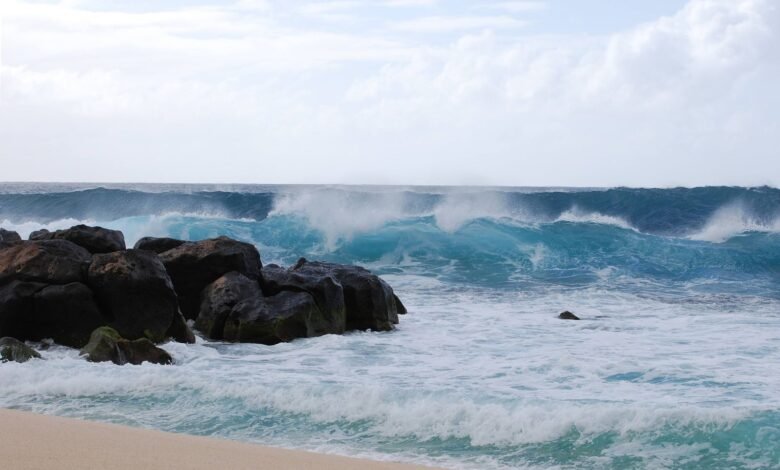
Santa Cruz Closes All Beaches and Wharf as 35-Foot Waves Threaten California Coast


*Disclaimer: We may earn a commission if you make a purchase through our affiliate links, at no extra cost to you.
The City of Santa Cruz has closed all of its public beaches and the Santa Cruz Wharf as a powerful El Nino-fuelled swell drives waves of up to 35 feet toward the California coast. The closures began at 10pm on Friday, 13 November 2026, and are due to run until 5am on Sunday, 15 November, with reopening depending on ocean conditions.
The National Weather Service has issued a High Surf Warning, forecasting dangerously large breaking waves of 25 to 35 feet along exposed stretches of the coast. City officials warned that the surf is life-threatening, with powerful waves, coastal flooding and the risk of damage to coastal infrastructure.
| Santa Cruz Beach Closures — At a Glance | |
|---|---|
| What closed | All City of Santa Cruz beaches and the Santa Cruz Wharf |
| Closure window | Friday 13 November 2026, 10pm – Sunday 15 November 2026, 5am |
| Wave forecast | 25 to 35 feet along exposed coast; Surfline models seas of 45 to 50 feet offshore |
| Warning | National Weather Service High Surf Warning, 6pm Friday 13 November – 4am Sunday 15 November |
| Cause | El Nino-fuelled North Pacific swell from a strong low-pressure system |
| Wharf status | Structurally safe; closed as a proactive safety precaution |
| Beach limits | City limits run from Natural Bridges State Beach to Twin Lakes State Beach |
| Reopening | Anticipated Sunday, contingent on weather and ocean conditions |
Thirty-Foot Surf and a Rare Total Shutdown
The swell is being generated by a strong low-pressure system in the Northern Pacific, and it is expected to hit beaches from near the Oregon border all the way south to Big Sur. Surfline forecaster Kevin Wallis said the North Pacific has entered mid-winter form despite the calendar still reading November, with long-period west-northwest swell building through Saturday and modelled seas of 45 to 50 feet well offshore.
The City of Santa Cruz announced the closures on 12 November, urging residents and visitors to stay away from beaches, coastal access points, rocks and other areas exposed to the surf. Officials warned that large waves can arrive unexpectedly, sweep people off their feet and create life-threatening conditions even for those standing well away from the water.
The Santa Cruz Harbor District has also warned of dangerous surges and waves of 12 to 15 feet around the harbour, with another swell peak expected on Monday, 16 November. State parks in Monterey County have closed Point Lobos State Natural Reserve, Carmel River State Beach, Garrapata Beach and Asilomar State Beach, with some closures possibly extending to Tuesday, 17 November.
Why the Wharf Closed Even Though It Is Structurally Safe
The Santa Cruz Wharf remains structurally safe, the city stressed, and it stayed open for regular business hours on Friday before the 10pm closure took effect. The decision was a proactive precaution to limit public exposure to hazardous ocean conditions, not a sign that the structure is unstable.
The caution is rooted in recent history. In December 2024, another monster swell tore a section of the wharf into the ocean. This time, officials are not taking chances with a structure that draws visitors from across the region.
“Our first priority is keeping our community safe, and we ask everyone to make safety their priority, too,” said Santa Cruz Fire Chief Rob Oatey. “Entering the water or approaching hazardous coastal areas puts not only your life at risk, but also the lives of the marine safety personnel who may be called upon to rescue you. Please respect these closures and give the ocean the space it demands.”
A Stranded Whale, a Missing Swimmer and a Second Beach Closure
The weekend closures come in a grim week for the Santa Cruz coast. On Thursday, 12 November, a fin whale about 60 feet long washed ashore at Cowell Beach and died a few hours later. The animal was severely emaciated and showed signs of long-term illness, according to Michael Milstein of the National Oceanic and Atmospheric Administration. Cowell Beach, near the Santa Cruz Beach Boardwalk, was closed to the public while responders worked out how to remove the whale safely.
The closures also come amid the search for a missing person who disappeared at Panther Beach in northern Santa Cruz County on 8 November. Senah Park, 24, is believed to have been swept away at about 8pm amid big surf.
A separate closure is in force a short distance away at Capitola Beach, where Santa Cruz County closed the beach on 10 November while it investigates an E. coli outbreak. Nine children have fallen ill, four of them from Santa Cruz and five visiting from other Bay Area counties, with all exposures believed to have occurred at Capitola Beach or in surrounding waterways.
What the Forecast Says for the Rest of the Weekend
The first major swell of the North Pacific season is building through Friday evening and is expected to peak on Saturday morning, coinciding with a high tide in the afternoon. Surfline’s Steamer Lane forecast calls for waves of up to 20 feet on Saturday, while the National Weather Service warning covers the wider coast with its 25-to-35-foot forecast.
Heavy rain and gusty weather are complicating matters, and the first in a series of storms is bringing rain to the Bay Area and Central Coast. Monterey County Sheriff Tina Nieto reminded the public of the risks, noting that the community has suffered heartbreaking tragedies in similar conditions. Last November, a seven-year-old girl and her father were swept into the sea at Garrapata State Beach and drowned.
The closure caps a disruptive week for American travel, after a nationwide ground stop halted US flights on Friday and a cargo ship struck the Tacony-Palmyra Bridge over the Delaware River on Thursday. City personnel will keep monitoring conditions throughout the weekend and will update the public if the closures need to be extended or changed.
Frequently Asked Questions
Q: Which beaches are closed in Santa Cruz?
A: All City of Santa Cruz beaches, from Natural Bridges State Beach in the west to Twin Lakes State Beach in the east, plus the Santa Cruz Wharf. Cowell Beach is also closed after a fin whale stranded there on 12 November.
Q: How long will the Santa Cruz beach closures last?
A: From 10pm on Friday, 13 November 2026, until 5am on Sunday, 15 November 2026. The city says reopening is contingent on weather and ocean conditions, and closures could be extended.
Q: How big are the waves expected to be?
A: The National Weather Service forecasts breaking waves of 25 to 35 feet along exposed stretches of the coast. Surfline models seas of 45 to 50 feet well offshore, with waves of up to 20 feet forecast at Steamer Lane on Saturday.
Q: Is the Santa Cruz Wharf damaged?
A: No. The city says the wharf remains structurally safe. It was closed as a proactive safety precaution, partly because a December 2024 swell tore a section of the structure into the ocean.
Q: Why is Capitola Beach closed as well?
A: Capitola Beach was closed on 10 November for a separate reason: an E. coli outbreak that has sickened nine children. Public health officials are investigating the source, with all exposures believed to have occurred at Capitola Beach or in surrounding waterways.