


*Disclaimer: We may earn a commission if you make a purchase through our affiliate links, at no extra cost to you.
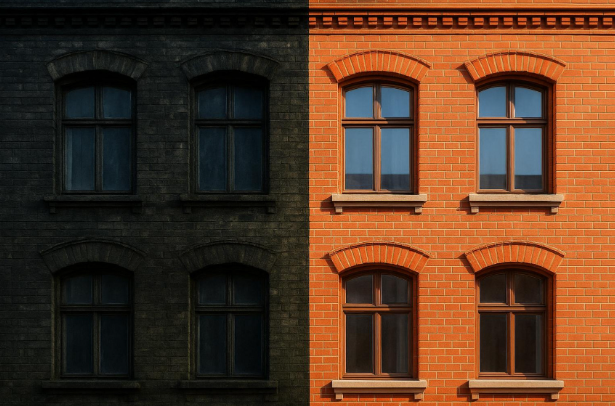
So, when should property owners plan building facade cleaning? A clear rule is: do it on a regular cycle-usually every one to five years for a full, deep clean, plus a lighter maintenance clean each year.
That said, there is no single schedule that fits every property. The right timing depends on things like where the building is, what the outside surfaces are made of, and what weather and pollution it deals with day after day.
Skipping facade cleaning is like ignoring basic care for a major investment. It can speed up wear and lead to much bigger repair bills later. To keep your property looking good and holding its value, it helps to understand what professional building facade cleaning services do and how they work.
What Is Building Facade Cleaning and Why Does It Matter?
Building facade cleaning is more than spraying a building with water. It is a professional service that removes built-up dirt, plant growth (like algae, lichen, and moss), and hard-to-remove stains in a safe way. You may also hear it called facade restoration or exterior cladding maintenance. The cleaning method is chosen based on the building material and the conditions around the property. Brick and concrete can handle cleaning differently than softer stone. Glass curtain walls, metal panels, and coated or rendered finishes also need their own approach so the surface is not harmed.
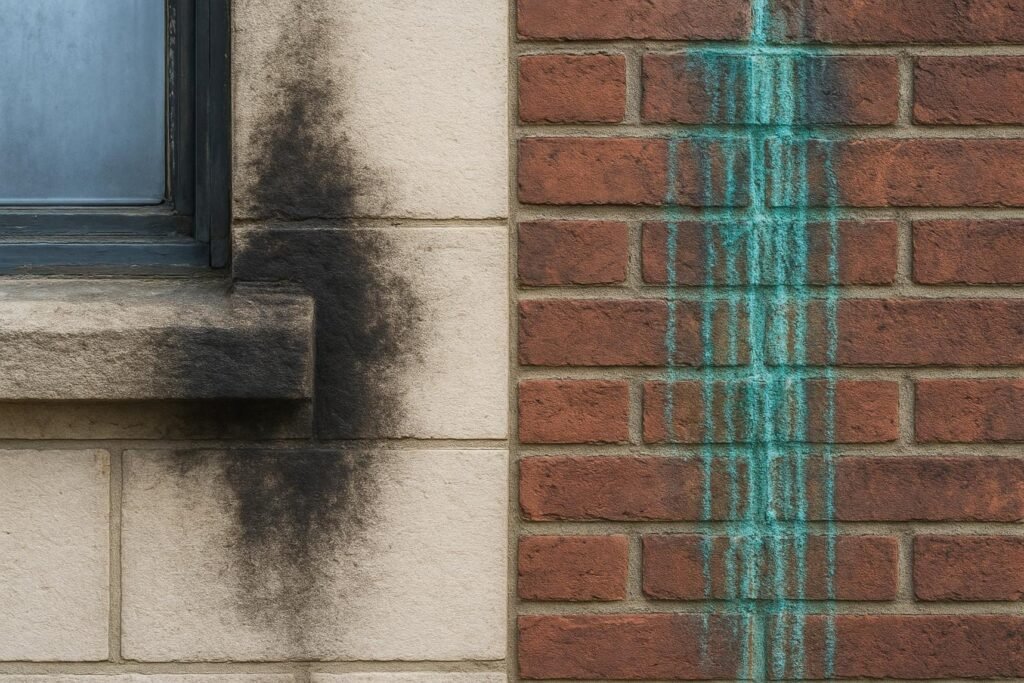
Facade cleaning matters for more than appearance. It helps protect the building itself. When grime and biological growth stay on the surface, they often hold moisture. That moisture can lead to problems like spalling, efflorescence, and long-term breakdown of the material. Cleaning also helps remove common types of staining, such as:
- Carbon staining from traffic exhaust and soot
- Metal staining from rust or copper runoff
Each type usually needs a different cleaning chemical and a specific “sit time” to work safely. Treating every stain the same way can lead to damage or poor results, which is why a professional review is so helpful.
Benefits for Property Value and Public Image
A facade is the part of a building everyone sees first. Tenants, customers, clients, and people walking by all notice it. A clean exterior sends a message that the property is cared for, safe, and well run. This can raise curb appeal and support property value. On the other hand, a dirty facade can make people think the building has bigger problems, even if it doesn’t.
Keeping the exterior clean can also support faster leasing and better tenant retention, especially in competitive areas. It shows the public and your stakeholders that the property is managed with care.
Protection Against Environmental Damage
Weather and pollution slowly wear down building exteriors. In the air, particles settle into porous surfaces like brick and stone. Over time, that buildup can trap moisture and lead to cracking, staining, and faster wear. On non-porous surfaces like glass and metal, dirt can damage finishes and can even lead to corrosion. Regular cleaning helps remove these harmful materials before they cause expensive damage.
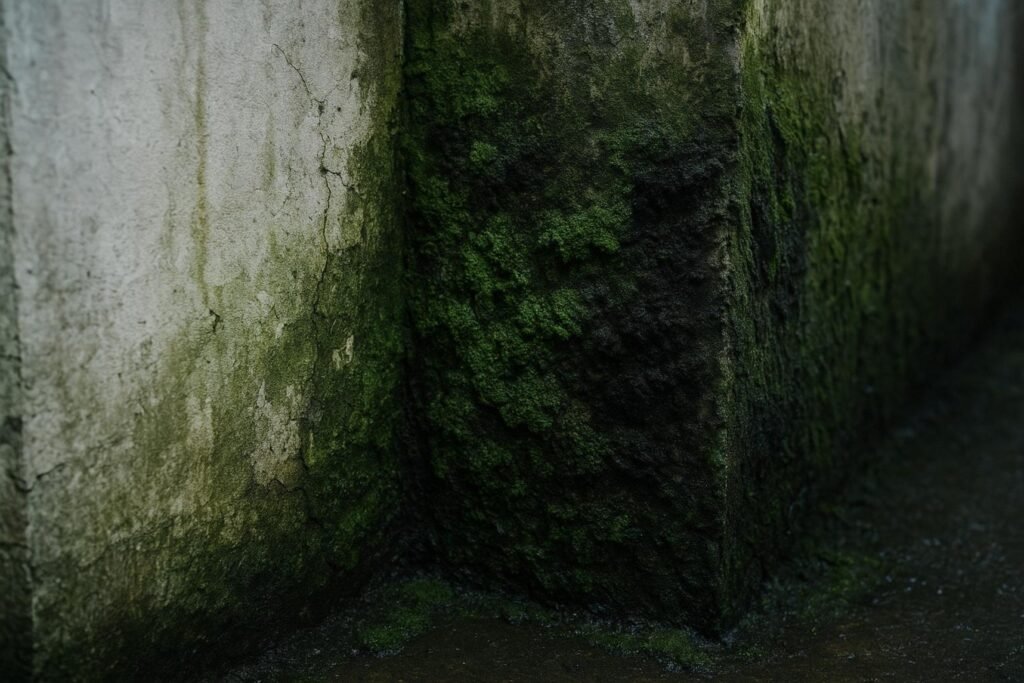
Cleaning also removes organic growth like mold, mildew, and algae. These often grow in damp or shaded spots, and they can slowly break down the surface. Professional methods remove the growth at the source, helping reduce how quickly it comes back. This helps the facade hold up better against sun, weather changes, water, building movement, settling, freeze/thaw cycles, and city pollution.
Impact on Health, Safety, and Regulatory Compliance
Facade cleaning can also support health and safety. Mold spores, allergens, and pollution on the outside of a building can enter through HVAC systems or gaps, which can affect indoor air quality. Cleaning lowers the amount of these contaminants.
Clean exteriors can also reduce slip hazards near entrances and improve visibility. They can lower the risk of accidents linked to falling debris or corrosion. Using a professional company also helps with compliance. These teams follow local and federal rules for handling wastewater runoff, so dirty water and chemicals do not flow into storm drains or water supplies. Written records of cleaning work can also help with liability and insurance needs by showing you maintained the property properly.
There is also an energy angle: dirty surfaces can absorb more heat, which can increase indoor temperatures and push cooling systems harder. Cleaner, more reflective surfaces can help reduce that load.
When Should Property Owners Schedule Building Facade Cleaning?
Property owners should plan facade cleaning on a routine basis, but the exact timing changes from building to building. For many properties, a deep clean every 3 to 5 years works well, with a lighter maintenance clean each year. Buildings near busy roads, active construction, or ocean air often need cleaning more often because dirt and salt build up faster. Some owners choose yearly full cleaning for appearance, while others stretch the schedule.
Recommended Cleaning Frequency for Various Property Types
How often you should clean depends a lot on the type of building and what it is exposed to. A common guide is:
| Property type | Typical deep cleaning cycle | Notes |
| Commercial | Every 1-3 years | More foot traffic and more public visibility |
| Residential | Every 3-5 years | Often less exposed, but still needs regular care |
| Historic buildings | Varies case by case | May need preservation-focused methods |
Even with these ranges, a yearly light wash helps a lot. It removes surface dirt, bird droppings, and early-stage biological growth before it bonds strongly to the material. This simple step can prevent bigger, more expensive problems later.
Key Indicators Your Facade Needs Cleaning
Many times, the building will show you it needs cleaning. Common signs include:
- Visible dirt buildup
- Algae or mildew patches
- Rust marks or streaks
- Heavy pollution staining
- Bird droppings that have built up over time
Look closely at shaded sides of the building and areas that stay wet longer. These spots often grow algae and moss faster. Black roof streaks or green discoloration on siding are also common signs of algae or mold.
Dirt is not just a cosmetic issue. It can hide cracks, failing joints, or other damage. A proper cleaning often reveals these issues early, giving you time to fix them before they turn into bigger repairs.
Seasonal Considerations and Weather Impacts
Seasons affect both how dirty a facade gets and how easy it is to clean. Many owners choose spring for cleaning. It is a good time to check for winter damage and remove salt residue and storm grime. Spring cleaning also gives you a chance to complete repairs and basic upkeep before summer.
In places like Massachusetts, buildings take a hit all year:
- Winter: road salt and heavy grime
- Spring: rain and moisture that support algae and mildew
- Summer: strong sun and heat that can add stress to materials
- Fall: leaves and organic debris
Spring often works well, but waiting too long for a “perfect” time can backfire. If the building needs attention, getting it done sooner is often the better choice.
Special Events and Tenant Turnover Triggers
Some situations make facade cleaning a smart move even if it is not yet “due.” For example, cleaning before new tenants move into a commercial space can improve first impressions and help fill units faster.
It also helps to line up facade cleaning with other outside work so the property has fewer disruptions. Many owners schedule it around:
- Window cleaning
- Gutter cleaning
- Roof inspections
- Parking lot sweeping
- Landscaping
- Exterior painting or sealant work
If vandalism happens, quick spot-cleaning is usually the best move to protect the property’s image.
What Factors Affect Facade Cleaning Schedules?
There is no universal cleaning plan because every building is different. A good schedule comes from understanding the building, the setting, and the type of staining.
Facade Material and Architectural Style
The facade material is one of the biggest factors in both how often you clean and how you clean. Brick, stone, concrete, glass curtain walls, metal cladding, rendered finishes, stucco, EIFS, and wood all react differently to water pressure and cleaning chemicals.
As a general idea:
- Hard surfaces like concrete, granite, and engineering brick may handle higher-pressure washing (around 2,500 to 4,000 PSI).
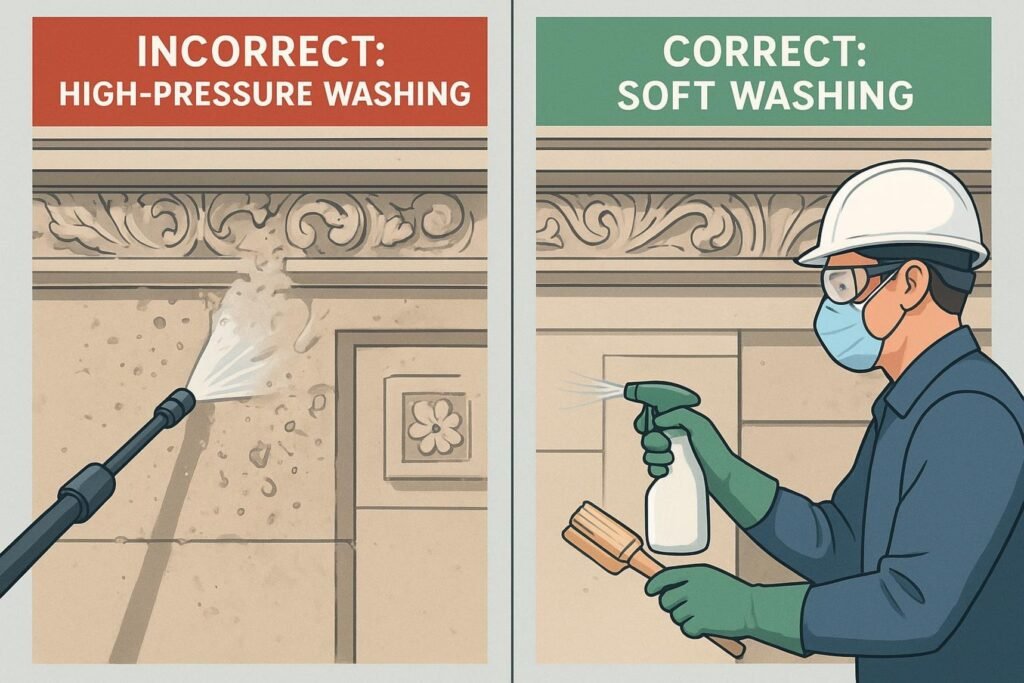
- Softer or more porous materials like limestone, sandstone, painted render, or older historic surfaces usually need soft washing (often under 500 PSI) plus the right chemicals.
Using the wrong approach can cause lasting damage-like etched stone, stripped coatings, or moisture pushed deep into the surface. This is why contractors such as Nova Construction Services start with test cleaning on a small area to confirm the pressure and chemicals suit the material. Older or historic facades often need gentle hand work with soft brushes and carefully chosen chemicals to protect details.
After cleaning, porous surfaces like brick or sandstone often do well with a breathable water-repellent treatment. This can help the facade stay cleaner longer and can lengthen the time between deep cleans.
Building Location and Environmental Exposure
A building’s setting strongly affects how quickly it gets dirty. Buildings near traffic, construction, or ocean air often need more frequent cleaning. City areas often have more carbon staining from emissions, which can be harsh on materials like limestone.
Buildings in quieter areas may have less exhaust staining, but they may get more mold and mildew, especially if they are surrounded by trees and landscaping or sit in a damp, shaded spot. The north side of many buildings gets the least sunlight, so algae and moss often grow there first. Areas that get frequent rain without good overhang protection may also develop green staining on trim or siding. These local conditions often call for a cleaning plan that fits that specific site.
Type and Severity of Stains or Soiling
What is on the surface matters as much as where the building is. Most facade staining falls into three groups:
- Biological growth (algae, lichen, moss)
- Carbon staining (soot, exhaust buildup)
- Metallic staining (rust, copper runoff)
Each needs the right chemical mix and the right contact time. A common mistake is using one “general” method on everything.
For example:
- Soft washing is often best for biological growth because it kills it at the root, which helps slow regrowth.
- Low-pressure chemical cleaning (acid-based or alkaline solutions) may be used for rust marks, copper stains, or stubborn carbon deposits, depending on the surface.
- High-pressure washing is usually best saved for dense, hard materials.
A site survey and small test patches are standard steps for good contractors. They confirm what the stain is and what method removes it with the least risk.
Local Regulations and Accessibility Constraints
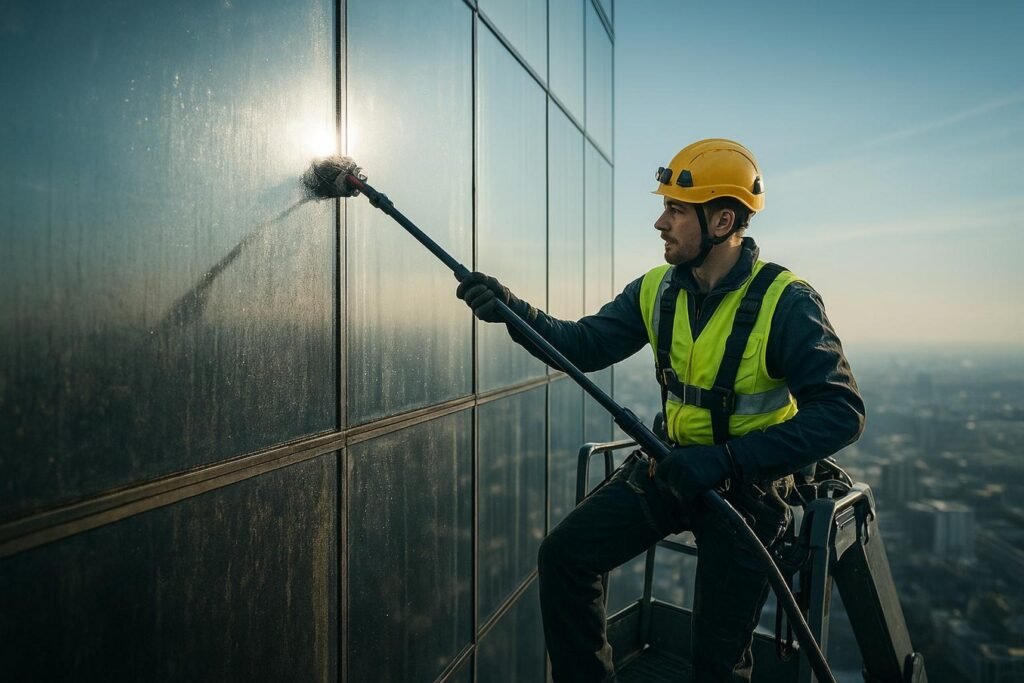
Local rules and building access can also affect timing. Tall buildings often need formal safety planning, such as certified anchors, two-rope safety systems, rescue plans, and ground-level exclusion zones for pedestrians. Skipping these steps creates serious risk.
Permits may be required in many cities, especially if streets or sidewalks are affected or if certain chemicals are used. Many areas also have rules about capturing and disposing of runoff water so it does not enter storm drains. Water restrictions can also delay work if a project depends on city water.
Access methods affect scheduling too. High buildings may need scaffolding or boom lifts. Smaller buildings can sometimes be cleaned with fewer impacts, often early in the morning or at night, using clear barriers and spotters. Historic landmark buildings may have added preservation rules and may require special methods and approvals.
How Does Routine Facade Maintenance Prevent Costly Damage?
Regular facade care works best when it is treated as prevention, not a reaction. Planning cleaning and maintenance early often saves time, stress, and money.
Early Detection of Facade Deterioration
Routine cleaning helps you find problems sooner. Dirt and growth can cover up small cracks, weak mortar, loose cladding, or early rot. Once those layers are removed, issues are easier to see and fix.
Many contractors also do a close review before they start. This can help identify weak areas, drainage problems, and existing damage. When the surface is clean, follow-up checks (like looking for winter damage) are also much easier and more accurate.
Maintenance Tips Between Scheduled Cleanings
Between deep cleans, yearly upkeep helps keep the facade stable and helps you catch problems early:
- Annual light washing: Removes surface grime, bird droppings, and early biological growth before it bonds to the surface.
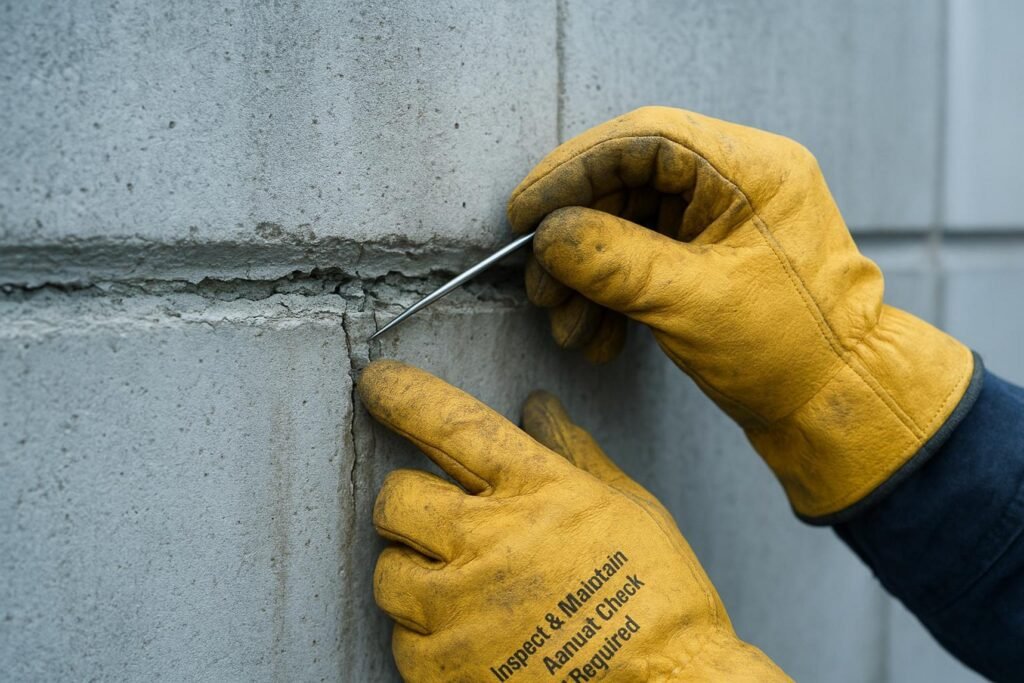
- Joint and sealant checks: Failed sealant around windows, joints, and cladding connections is a common way water gets in. Check yearly and repair quickly.
- Gutter and drainage cleaning: Overflowing gutters create wet streaks and damp zones that lead to staining and growth.
- Early crack and spall repair: Small cracks let water in. If fixed early, it is usually low-cost. If ignored, freeze/thaw cycles can lead to major spalling.
- Reapply protective coatings: Breathable water-repellent treatments on porous surfaces (like brick or sandstone) can extend the time between deep cleans. Many are renewed every 5 to 10 years, often lined up with deep cleaning.
- Proactive painting: In areas where moss is a repeat problem, paint can help reduce growth and cut down on constant monitoring.
Long-Term Savings Through Preventative Care
Cleaning a facade usually costs far less than major repair work caused by years of neglect. Owners who keep a regular schedule-and who also keep joints, sealants, and drainage in good shape-often avoid expensive work like large-scale repointing or replacing corroded materials.
How long a facade lasts depends heavily on keeping moisture under control, not just removing visible dirt. A building can look clean but still fail early if it has bad sealants or blocked downpipes. Good planning should focus on moisture control along with appearance. Treat facade cleaning as a repeating part of property care, and you protect value, safety, and the building’s overall image for the long term.
Key Takeaways for Property Owners
For property owners, good facade care comes down to a few main points. First, facade cleaning is about more than looks. It supports structural health, safety, and long-term value. It helps prevent environmental damage, supports a better public image, and can improve indoor air conditions by reducing contaminants.
Second, there is no single method that works for every building. A good contractor starts with an on-site review and chooses the right method for the material, the style of the building, the location, and the type of staining. Using the wrong method can cause permanent damage, so inspections and small test areas matter.
Finally, regular upkeep matters. Yearly light cleaning, routine checks and repairs for joints and sealants, and keeping drainage clear can stop small issues from turning into major repairs. When you focus on moisture control and keep facade cleaning on a repeating schedule, your building stays attractive, safe, and valuable for many years.