


*Disclaimer: We may earn a commission if you make a purchase through our affiliate links, at no extra cost to you.
For adult smokers considering an alternative to traditional cigarettes, choosing a vaping device can feel overwhelming at first. Larger kits may include refillable tanks, replaceable coils and adjustable settings, but not everyone wants that level of involvement.
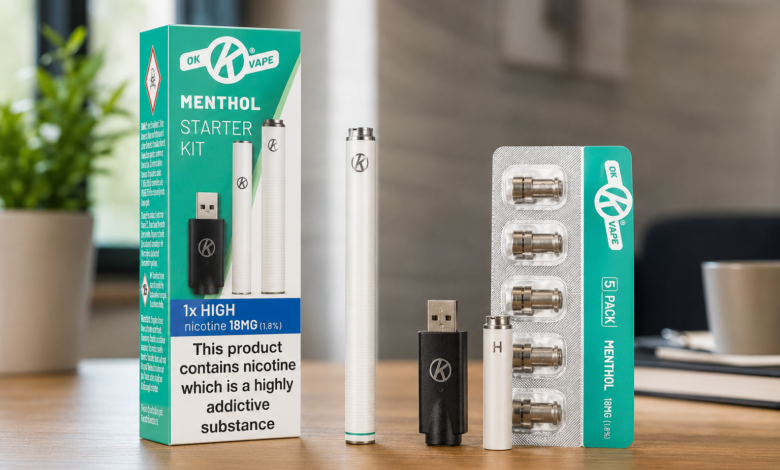
Cigalike devices offer a simpler route. Designed to be compact, discreet and easy to use, an Electronic Cigarette in this style can suit adults who prefer a familiar format with minimal maintenance.
What Is a Cigalike Device?
A cigalike is a slim vaping device that generally resembles the size and shape of a conventional cigarette. Rather than burning tobacco, it uses battery power to heat e-liquid and produce an aerosol for inhalation.
Many cigalike devices use prefilled cartridges. This means users do not need to refill a tank manually or replace individual coils. When the cartridge is empty, it is removed and replaced with a compatible new one.
Why Adult Smokers Choose Compact Devices
A smaller device is not necessarily the right option for everyone, but it can be appealing for practical reasons.
A straightforward experience
Cigalikes are typically designed for ease of use. Some activate automatically when inhaled, while others use a simple button. There are usually no complicated menus or power settings to adjust.
This can make them less intimidating for adults who are new to vaping and want a device that is ready to use with little preparation.
Easy to carry
Portability is one of the main advantages of a cigalike. Its lightweight design can fit comfortably in a pocket, handbag or small case, making it convenient for commuting, travelling or everyday errands.
Minimal maintenance
Refillable devices can be a good fit for experienced users, but they require more regular care. A prefilled cartridge system reduces the need to handle e-liquid bottles, clean tanks or replace coils. For adults with busy routines, that simplicity can be valuable.
Features to Consider Before Buying
While cigalikes are designed to be uncomplicated, it is still worth comparing a few important features before making a choice.
Battery capacity and charging
Compact devices usually have smaller batteries than larger vape kits. Check how the device charges, how long a full charge takes and whether it is practical for your typical day.
If you use the device frequently, it may be helpful to keep the correct charging cable accessible when away from home. Always use the manufacturer-recommended charging equipment and stop using any battery that appears damaged.
Cartridge availability
Before choosing a device, check that compatible cartridges are readily available. A reliable supply of cartridges can make day-to-day use much easier and helps avoid purchasing unsuitable alternatives.
Only use cartridges made for the specific device model. Products that do not fit correctly may affect performance or cause leaks.
Nicotine options
Nicotine-containing vaping products are intended for adults only. Different strengths are available, and the appropriate choice may depend on previous smoking habits and personal preferences.
Adults who are unsure about nicotine strength or stopping smoking can seek support from a qualified stop-smoking adviser or healthcare professional.
Ongoing costs
The initial device price is only part of the overall cost. Replacement cartridges are likely to be the regular purchase, so compare their price, pack size and availability before deciding.
Responsible Storage and Disposal
Keep vaping devices, e-liquids and cartridges securely out of reach of children and pets. Store them away from direct sunlight, excessive heat and moisture.
When cartridges, batteries or devices are no longer usable, follow the manufacturer’s disposal instructions and local recycling guidance. Batteries should not be placed in general household waste where dedicated recycling facilities are available.
Frequently Asked Questions
Are cigalikes easy to use?
Yes. They are generally designed for a simple vaping experience, often using prefilled cartridges and straightforward activation.
Do all cigalikes use the same cartridges?
No. Cartridges are usually device-specific. Always choose replacements designed for your particular model.
How often will I need to charge a compact device?
This depends on battery capacity and frequency of use. Smaller devices may require more regular charging than larger vape kits.
Are e-cigarettes risk-free?
No nicotine product is risk-free. Vaping products are intended for adult smokers, not children, young people or non-smokers.
Conclusion
Cigalike devices can be a practical option for adult smokers who prioritise convenience, portability and a low-maintenance routine. By considering battery performance, cartridge compatibility, nicotine options and ongoing costs, you can make a more informed choice about whether this compact format suits your needs.