

*Disclaimer: We may earn a commission if you make a purchase through our affiliate links, at no extra cost to you.
There is a version of the print-on-demand story that circulates endlessly in passive income communities online. Upload a design, connect a fulfillment partner, share a link, collect money while you sleep. The mechanical description is accurate enough, but what it leaves out is everything that determines whether anyone actually buys anything, which turns out to be the part that requires the most thought and the most work.
Print-on-demand has genuinely low barriers to entry and that low barrier is both the model’s greatest commercial appeal and its most significant competitive challenge. When anyone can set up a store selling t-shirts and mugs and tote bags with designs on them in an afternoon, the question of why a particular customer should choose your store over the thousands of others offering similar products at similar prices through the same fulfillment infrastructure becomes genuinely difficult to answer without a clear brand identity and a website that communicates it convincingly.
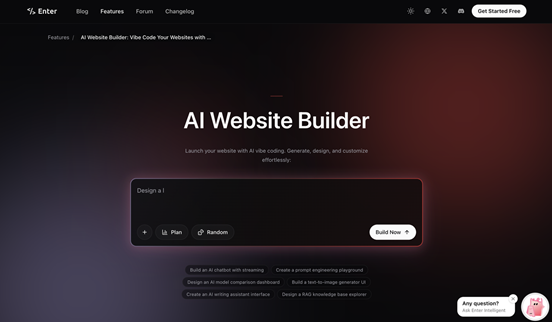
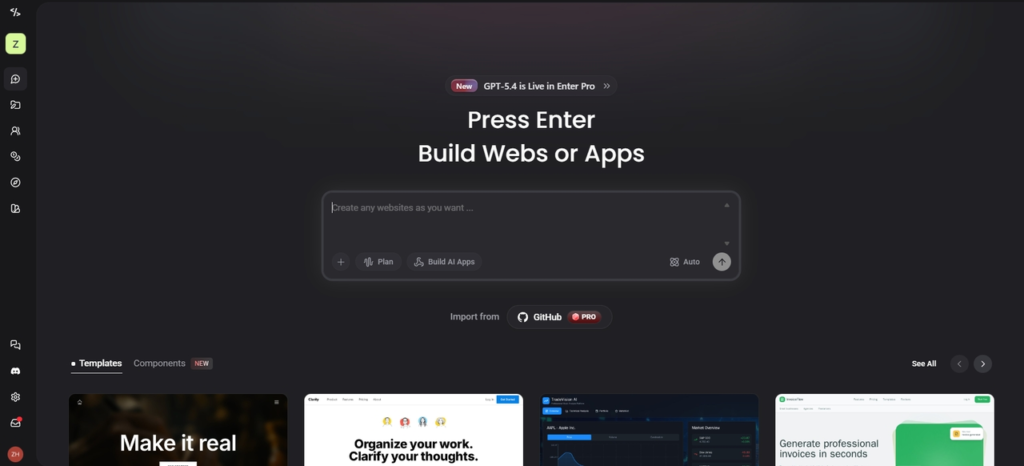
The print-on-demand businesses that generate consistent revenue are almost never the ones with the most designs in their catalog. They are the ones that build a coherent brand around a specific audience, communicate that brand through a website that feels like it belongs to people who understand their customers deeply, and create the kind of loyalty that keeps buyers returning when new designs drop rather than treating every sale as an isolated transaction with a stranger. Enter Pro has been practical for print-on-demand creators building this kind of brand-led presence and the structural setup has become considerably faster with an AI website generator that handles architecture, so creative energy goes into the designs and the audience building that actually differentiate one print-on-demand business from another.
The Niche Specificity That Changes Everything
The single most important decision a print-on-demand business makes is not which fulfillment partner to use, not which products to offer, not what price point to target. It is who specifically the brand is for and how precisely that specificity is communicated.
A general humor t-shirt store competes with millions of similar stores for the attention of people who might buy a funny t-shirt from anyone. A t-shirt store specifically for veterinary nurses who have strong opinions about their profession and a particular dark humor about the realities of their working day competes with almost nobody for the attention of a specific, identifiable community whose members recognize themselves immediately in the products and whose word of mouth within that community is worth more than any advertising budget.
This level of specificity feels counterintuitive because it seems to limit the potential audience. In practice, it dramatically concentrates the relevant audience, makes marketing cheaper and more effective, creates the kind of immediate recognition that drives impulse purchases, and generates community word of mouth that is genuinely impossible to buy.
A website built around a specific niche communicates that specificity in everything from the language used to the way products are photographed to the other content that lives alongside the shop. A visitor who is the exact right customer for a niche Print-on-demand brand knows within seconds of landing on the site that this is made for them and that recognition is the most powerful conversion mechanism available.
Design Quality as the Only Real Differentiator
In a category where the products themselves, the physical t-shirts, the mugs, the tote bags, are functionally identical across every competitor using the same fulfillment infrastructure, design quality is the only real product differentiator. Not design in the sense of technical execution alone, but design in the broader sense of ideas that resonate, references that land, aesthetic choices that feel genuinely considered rather than assembled from stock elements.
The print-on-demand stores that build genuine repeat customer bases are almost always the ones where the designs feel like they come from a specific creative sensibility rather than from a trend-chasing algorithm. Where buying a product feels like buying from a point of view rather than just acquiring an object with words or images on it.
This distinction is difficult to fake and it shows on a website in ways that are hard to articulate but immediately felt. A store where every design feels like it belongs to a coherent world, where the aesthetic choices are consistent, where the creative intelligence behind the selection is visible, feels fundamentally different from one where designs have been uploaded opportunistically based on whatever seemed likely to sell this week.
Finding a Platform That Handles POD Integration Well
Print-on-demand ecommerce has specific technical requirements that not every platform handles with equal elegance. The integration between the storefront and the fulfillment partner needs to be seamless enough that orders flow automatically without manual intervention that does not scale. Product variants need to be manageable across a potentially large catalog without the administrative overhead becoming prohibitive. Mockup quality needs to be good enough that product photography convinces buyers without requiring expensive custom photography for every design.
Before committing to any platform, going through a careful comparison of the best ecommerce website builder options through the specific lens of a Print-on-demand business reveals which platforms handle fulfillment partner integration natively, which require third-party apps, and what the operational difference between those two approaches means for a business managing hundreds of product variants across multiple design categories. The platforms that make POD operations genuinely smooth versus those that require ongoing technical maintenance to keep integrations working are a different category and the difference is felt every day in operational friction.
Building a Community Around the Identity the Brand Expresses
The most commercially durable Print-on-demand businesses are almost never ones where the brand relationship ends at the transaction. They are ones where the brand has become part of how a specific community expresses its identity and where the website and the community infrastructure around it keep that expression active and evolving rather than treating each product drop as a standalone commercial event.
A veterinary nurse who bought a t-shirt from a brand that genuinely understands her profession is not just a customer. She is a potential community member, a word of mouth engine within a professional community, a repeat buyer when new designs drop that speak to experiences she recognizes, and a micro-advocate whose recommendation to a colleague carries more weight than any paid advertising.
Building the infrastructure for that community relationship alongside the store, whether through a newsletter that feels genuinely written for the specific audience rather than generically promotional, through a social presence that engages with the culture and conversation of the niche rather than just promoting products, or through a website that has content alongside the shop that the right audience finds genuinely valuable, is the work that separates a Print-on-demand business with staying power from one that generates initial sales and then fades as the novelty of the brand wears off.
Enter Pro handles this integration of community content and commercial catalog in a way that keeps both feeling like parts of the same coherent brand experience rather than a shop with a blog bolted onto the side as an afterthought.
The Limited Drop Model Applied to Print on Demand
The conventional print-on-demand approach treats the catalog as evergreen, designs available indefinitely until the creator chooses to remove them. This approach is operationally simple but commercially passive. It creates no urgency, generates no anticipation, and gives repeat visitors no particular reason to return at any specific time.
The limited drop model, releasing new designs for a defined availability window rather than adding them to a permanent catalog, applies the same scarcity psychology that has proven commercially effective in streetwear, in art releases, and in the subscription box industry, to the print-on-demand context. A design available for two weeks generates a different purchasing urgency than one available indefinitely and community communication around a drop. The announcement, the preview, the countdown, the reveal of what is coming next, creates the kind of ongoing engagement that keeps an audience actively invested rather than passively aware.
A website built around the drop model needs specific infrastructure that a standard evergreen catalog does not. Clear availability communication. Countdown functionality for active drops. An archive of past drops that builds the brand’s history and creates the collector dynamic where owning something from an early drop has its own significance. And an email capture mechanism that converts drop interest into subscriber relationships who will be first to know about future releases.
Using AI to Scale Creative Output Without Losing Coherence
There is a tension in print-on-demand between the volume of designs that maximizes catalog breadth and the creative coherence that makes a brand feel genuinely considered rather than generated at scale. Adding designs quickly to capture trending topics or seasonal demand can grow a catalog rapidly while simultaneously diluting the brand identity that made the store worth choosing in the first place.
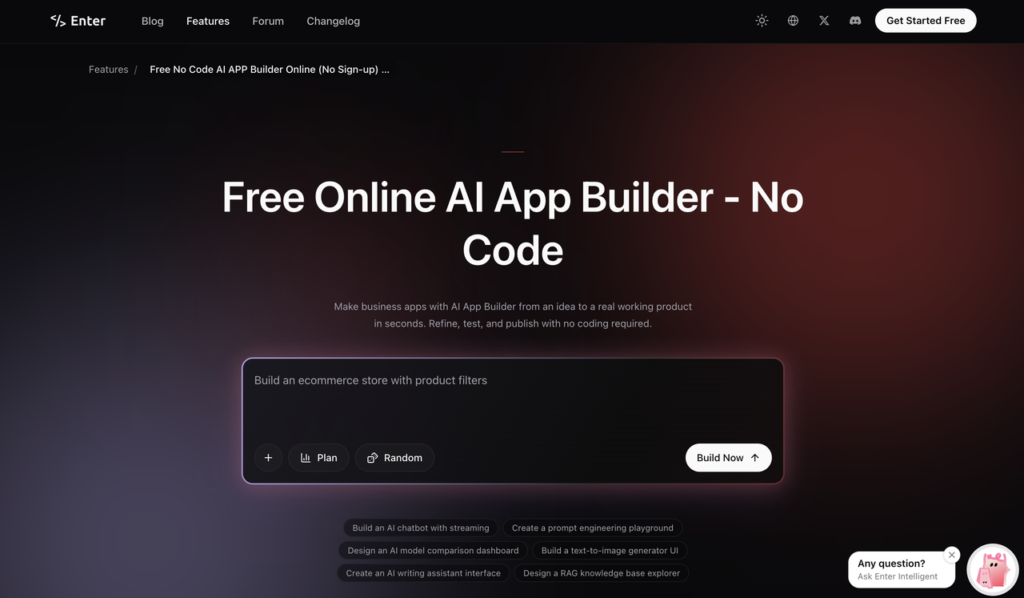
AI tools, including an app maker AI are beginning to offer print-on-demand creators ways to extend their operations without sacrificing the brand coherence that differentiates their store. From personalization tools that let customers add their own details to designs within a brand-consistent framework, to community features that let the audience participate in what gets designed next, to mobile-first shopping experiences that serve the impulse purchase dynamic of a drop model particularly well, the technology is becoming accessible at a cost point that independent print-on-demand businesses can realistically consider rather than only enterprise-scale operations.
Conclusion
Print-on-demand is one of the most accessible entry points into product-based commerce and one of the most demanding in terms of what it takes to build something that lasts beyond the initial novelty of having a store with your designs on products. The businesses that succeed are the ones that treat the low barrier to entry as an opportunity to focus all of their energy on the brand, the community, and the creative quality that barriers to entry would otherwise have absorbed. A website that communicates that brand with the clarity and conviction it deserves is not the final piece of the puzzle. For every potential customer encountering the brand for the first time, it is the first one.