

*Disclaimer: We may earn a commission if you make a purchase through our affiliate links, at no extra cost to you.
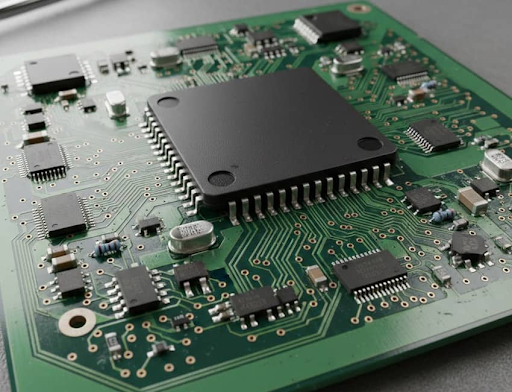
Developing a new electronic product often requires several rounds of testing before the final design is ready for production. A reliable PCB prototype allows engineers to evaluate circuit performance, component placement, and overall functionality in a practical environment. Fast Turn PCB services make this process more efficient by reducing the time needed to manufacture prototype boards.
Professional PCB prototyping is particularly valuable for complex electronic products where accuracy, component density, and assembly quality are essential.
What Is Fast Turn PCB Prototyping?
Fast Turn PCB prototyping is a manufacturing approach that focuses on producing prototype circuit boards within shorter lead times. Instead of waiting through lengthy production schedules, engineers can receive physical boards sooner and begin testing their designs.
This faster development cycle allows teams to identify potential issues early and make necessary changes before moving to larger production quantities.
Why PCB Prototyping Is Important
A PCB design may look correct in design software, but physical testing can reveal problems that are difficult to identify digitally. Prototyping provides an opportunity to evaluate the actual performance of the circuit.
Engineers can use prototypes to check:
- Electrical functionality
- Component placement
- Signal performance
- Thermal behavior
- Mechanical fit
- Assembly quality
- Overall product compatibility
Finding problems during the prototype stage can help prevent more expensive issues during mass production.
Benefits of Fast Turn PCB Services
Faster Design Validation
Fast production allows engineers to test their circuit designs sooner. This means potential problems can be discovered and corrected earlier in the development process.
Shorter Development Cycles
When prototype boards are manufactured quickly, teams can move through design, testing, and revision stages more efficiently.
Reduced Development Costs
Identifying design problems before large production runs can reduce material waste, redesign expenses, and manufacturing losses.
Greater Flexibility
Fast-turn prototyping is useful for projects that require multiple PCB revisions or urgent engineering samples.
The Importance of Professional PCB Assembly
Producing the bare PCB is only one part of creating a functional prototype. Components must also be installed accurately. Professional assembly helps ensure that electronic components are positioned and soldered according to the design specifications.
Depending on the project, assembly may involve surface-mount technology (SMT), through-hole components, or advanced component packages.
Understanding BGA PCB Assembly
BGA PCB assembly is used when electronic devices contain Ball Grid Array components. BGA packages place solder balls underneath the component, allowing manufacturers to achieve high connection density within a relatively compact area.
Because the connections are located beneath the component, BGA assembly requires accurate component placement and controlled soldering processes. Professional inspection and testing are also important for identifying potential assembly defects.
Fast-turn BGA prototyping can be particularly useful for advanced electronics where engineers need to evaluate complex processors, memory devices, or other high-density components during development.
Quality Control During Prototyping
Speed should not come at the expense of PCB quality. Professional prototype manufacturers should maintain appropriate inspection and testing procedures throughout fabrication and assembly.
Automated optical inspection, electrical testing, visual inspection, and other quality-control techniques can help identify potential problems. For complex assemblies such as BGA boards, specialized inspection methods may also be necessary.
From Prototype to Production
A successful prototype provides valuable information for the next stage of product development. After testing, engineers can refine the PCB layout, improve component selection, and address manufacturing concerns.
A capable Fast Turn PCB supplier may also support the transition from prototype quantities to larger production runs. Working with the same manufacturing partner can simplify communication and maintain consistency between development and production.
Choosing a Professional PCB Prototyping Partner
When selecting a PCB prototyping provider, businesses should consider more than turnaround speed. Manufacturing capabilities, assembly experience, testing procedures, material options, and quality standards are all important.
For projects involving advanced components such as BGAs, it is especially important to confirm that the manufacturer has appropriate assembly equipment and inspection capabilities.
Conclusion
Fast Turn PCB prototyping provides businesses with an efficient way to test and improve electronic designs without unnecessary manufacturing delays. Faster prototypes allow engineers to identify problems sooner, refine their designs, and prepare products for larger production runs.
For advanced electronic devices, professional BGA PCB assembly can provide the precision needed to handle compact, high-density components. By combining rapid PCB production with accurate assembly and thorough quality control, businesses can develop reliable electronic products more efficiently and confidently.