
Miss Universe 2026 Winner: Jennifer Barreto Makes History as First Mother to Take the Crown

Jennifer Barreto of Puerto Rico was crowned the Miss Universe 2026 winner on Tuesday, 24 November 2026, at the José Miguel Agrelot Coliseum in San Juan, beating 115 other contestants and becoming the first mother — and the first married woman — ever to win the title in the pageant’s 75-year history. The 27-year-old psychologist and social worker took the crown on home soil, in front of a roaring Puerto Rican crowd, at the end of a Diamond Jubilee edition that had been trailed by months of controversy.
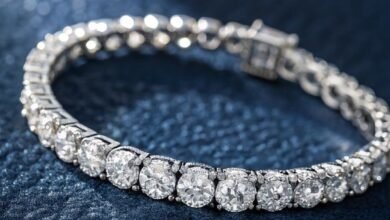
Barreto was crowned by Mexico’s Fátima Bosch, the outgoing Miss Universe 2025, and she wore the pageant’s new 75th-anniversary crown, “The Radiance of an Eternal Legacy”, a piece set with 3,150 diamonds and designed by Venezuelan jeweller George Wittels. Her win gives Puerto Rico its sixth Miss Universe title, and its first since Zuleyka Rivera in 2006.
Miss Universe 2026 — Quick Reference Summary
| Detail | Miss Universe 2026 |
|---|---|
| Winner | Jennifer Barreto, Puerto Rico |
| Age | 27 |
| Profession | Psychologist and social worker |
| Crowned | Tuesday, 24 November 2026 |
| Venue | José Miguel Agrelot Coliseum, San Juan, Puerto Rico |
| Edition | 75th — Diamond Jubilee |
| Contestants | 116 from countries and territories worldwide |
| First runner-up | Melissa Núñez, Dominican Republic |
| Second runner-up | Clara Vegas, Venezuela |
| Third runner-up | Bea Millan-Windorski, Philippines |
| Fourth runner-up | Georgia Waddington, New Zealand |
| Outgoing titleholder | Fátima Bosch, Mexico (Miss Universe 2025) |
| Hosts | Mario López and R’Bonney Gabriel (Miss Universe 2022) |
| Anniversary crown | “The Radiance of an Eternal Legacy”, 3,150 diamonds, designed by George Wittels |
| Date of birth | Not publicly verified |
| Height | Not publicly verified |
| Net worth | Not publicly verified |
| Social media handles | Not publicly verified |
A Home-Soil Triumph at the Coliseo de Puerto Rico
The finale opened with an elimination round based on judges’ scores from the preliminary contests, leaving 30 contestants to compete in the on-stage swimwear round. Twelve advanced to the evening gown parade, and the final five then faced the judges’ questions on topics including the relevance of the Miss Universe pageant and what the world needs from its leaders.
It was the fourth time Puerto Rico has hosted the Miss Universe final in the pageant’s 75-year history, after 1972, 2001 and 2002. The 2001 edition also ended with a home winner, when Denise Quiñones took the crown in San Juan. This time the home crowd had even more to cheer: Barreto’s victory is only the second time a Puerto Rican has won on home soil, and it ends a 20-year wait since Rivera’s win in 2006.
Barreto’s path to the crown was built on her work away from the stage as much as on it. Reports describe her as a psychologist and social worker, and her final answer leaned on that background. Asked which human value we should never lose amid the growth of artificial intelligence, she answered in Spanish that the best thing is to use it responsibly, adding: “If artificial intelligence puts our values at risk, then they were never values. Values are found in the consistency between what we say and what we do, especially when upholding those things becomes difficult.”
The Final Five and the Night’s Decisive Moments
The Dominican Republic’s Melissa Núñez finished as first runner-up, which means she would take on Miss Universe duties if Barreto were unable to do so. Venezuela’s Clara Vegas was second runner-up, the Philippines’ Bea Millan-Windorski third runner-up, and New Zealand’s Georgia Waddington fourth runner-up. The result was a strong night for Latin American contestants, with three of the top five coming from the region.
The night also underlined how the pageant’s audience has shifted. While Miss Universe is no longer a fixture on American network television, it continues to draw large Latino audiences. Telemundo reported that the Spanish-language screening of the 2025 finale was watched by 2.6 million people, up from 2.1 million the year before. The 2026 final was hosted by Mario López alongside Miss Universe 2022 R’Bonney Gabriel.
For context on how a Miss Universe title can reshape a life, former Miss Universe winner Olivia Culpo — who won the crown in 2012 and is now a mother of two — shows how the title can become the foundation of a long career in fashion, television and business rather than a single year in the spotlight.
Why Barreto’s Win Rewrites the Rulebook
Barreto’s victory is historic for a simple reason: until three years ago, she would not have been allowed to compete at all. The Miss Universe Organization ended its ban on contestants who are — or ever have been — married, pregnant or mothers in 2023, after growing calls for the pageant to modernise. The same year, organisers also ended a longstanding ban on contestants over 28.
Barreto is the first winner to benefit from that change, becoming the first mother and the first married woman to hold the title. Her win also matters beyond Puerto Rico. Only the United States and Venezuela have won more Miss Universe titles than Puerto Rico, and the island’s sixth crown cements its place as one of the pageant’s great powers. The result also lands in a year when the competition’s rules, judging and ownership have all been under intense scrutiny, making a clean, popular home win exactly the outcome the organisation needed.
The season’s other big entertainment finale played out the same week, with Dancing with the Stars crowning its season 35 winners — a reminder of how crowded the November entertainment calendar has become for pageant and reality audiences alike.
A Turbulent Year Behind the Glitter
While the finale itself went off without a hitch, much of this year’s controversy unfolded in the weeks and months before it. Beauty queens from Nepal and five African countries, including first-time participants South Sudan and the Republic of Congo, were forced to drop out because of difficulties or delays obtaining United States visas. An ongoing contractual dispute between the Miss Universe Organization and Thai businessman Nawat Itsaragrisil, who operates qualifying pageants in six Southeast Asian countries, meant delegates from Indonesia, Laos, Malaysia, Singapore, Thailand and Vietnam were all absent from the final.
In May, the organisers of Miss Universe France withdrew their delegate in protest at the 2025 final, which became embroiled in claims of vote-rigging and favouritism. The organisation later formed a selection committee to appoint an alternative Miss France, Garance Authié, who advanced to the 2026 Top 12. Last year, three days before the finale, judge Omar Harfouch resigned over his belief that results had been pre-scripted by an unofficial “impromptu jury”, and alleged that the 2025 winner, Fátima Bosch, had triumphed because of her father’s alleged business ties to Miss Universe co-owner Raúl Rocha Cantú. The businessman and the organisation have consistently denied those allegations.
Questions over the judging process hung over this year’s contest too, with the jury only unveiled a day before the finale, and it has now been three years since independent auditor Ernst & Young — which previously handed hosts the results in a sealed envelope — was last involved in the pageant. Itsaragrisil has called for reform, saying he would like contestants to know who will judge them, how the judges are selected, how scores are verified and how conflicts of interest are handled. Miss Universe did not respond to CNN‘s request for comment on this year’s judging process or its dispute with Itsaragrisil ahead of the pageant.
What Comes Next for the New Miss Universe
The Miss Universe 2026 winner now begins a year as Miss Universe, with the travel, charity work and public appearances that come with the title, and with the eyes of the pageant world on how she uses a platform she won as a working psychologist and social worker. Her answer on artificial intelligence and values already suggests she intends to speak about more than glamour. For the organisation, her reign is also a test: whether a historic first — a mother and married woman wearing the crown — can steady a pageant that has spent a turbulent year defending its credibility.
Frequently Asked Questions
Q: Who won Miss Universe 2026?
A: Jennifer Barreto of Puerto Rico, the Miss Universe 2026 winner. The 27-year-old psychologist and social worker was crowned on Tuesday, 24 November 2026, at the José Miguel Agrelot Coliseum in San Juan, Puerto Rico.
Q: How old is Jennifer Barreto?
A: Barreto is 27 years old. Her exact date of birth has not been publicly verified.
Q: What does Jennifer Barreto do for a living?
A: She is a psychologist and social worker, according to multiple reports of her win.
Q: Who were the Miss Universe 2026 runners-up?
A: Melissa Núñez of the Dominican Republic was first runner-up, followed by Clara Vegas of Venezuela, Bea Millan-Windorski of the Philippines and Georgia Waddington of New Zealand.
Q: Was Jennifer Barreto the first mother to win Miss Universe?
A: Yes. She is the first mother — and the first married woman — to win the title, after organisers lifted the ban on married women, mothers and pregnant contestants in 2023.
Myth-busting: no, the 2026 crown was not decided in advance
The shadow over this year’s pageant comes from the 2025 final, when claims of vote-rigging and favouritism were made and a judge resigned days before the show. Those claims were consistently denied by the Miss Universe Organization and the businessman named in them, and no verified evidence has emerged that the 2026 result was pre-decided. What is documented is that the 2026 jury was only revealed a day before the finale and that no independent auditor has been involved for three years — real transparency gaps that critics, including the Thai pageant director Nawat Itsaragrisil, want fixed, but not proof of a fixed result.