
*Disclaimer: We may earn a commission if you make a purchase through our affiliate links, at no extra cost to you.
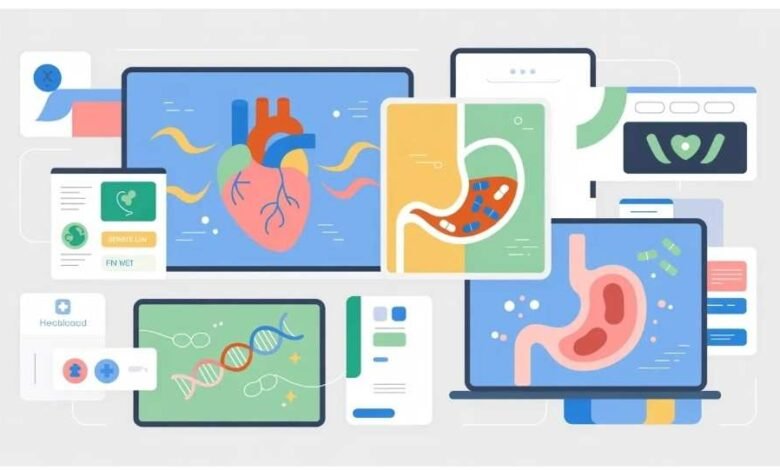
Alt text: An example of healthcare animation.
Medical products are rarely simple to explain. A device may look small from the outside, but its real value might come from how it works inside the body, how it supports a procedure, or how it improves a clinical workflow.
That is not easy to show with photos.
A product page can list features. A brochure can describe benefits. A sales representative can walk through the details. Still, many people need to see the product in action before they truly understand it.
Animation fills that gap.
It gives healthcare brands a way to show movement, function, placement, and medical context in a clean visual format. Instead of forcing the audience to imagine the process, animation shows what happens step by step.
For medical device companies, health tech startups, hospitals, and training teams, that clarity can make communication faster and more trustworthy.
Medical Products Need More Than Static Images
Static visuals can show the shape of a product, but they often fail to explain how it works.
This is a common problem in healthcare. A surgical tool may need to be shown during a procedure. A diagnostic device may need to show how data or samples move through the system. A treatment product may interact with anatomy in a way that cannot be filmed clearly.
Animation gives those details a visible structure.
The viewer can see where the product is placed, how it moves, what it affects, and why the function matters. That makes the product easier to understand for clinicians, buyers, investors, and patients.
Animation Helps Simplify Medical Science
Healthcare communication often gets heavy because the subject is technical. Even when the information is accurate, it can feel difficult for non-specialists to follow.
Animation helps by breaking the explanation into smaller steps.
A video can start with the medical problem, then introduce the product, then show how the product supports the solution. This gives the audience context before introducing the technical details.
For example, a device used in a cardiovascular procedure can be shown in relation to blood flow. A wearable health product can show how it collects and presents useful data. A surgical product can show positioning, movement, and use without needing graphic footage.
The best medical animation does not talk down to the viewer. It simply removes confusion.
3D Visuals Can Show Hidden Product Details
Many healthcare products have important features that cannot be seen from the outside. Internal parts, sensors, drug delivery paths, material layers, or mechanical movements may all be part of the product’s value.
A camera may not capture those details well.
With 3D medical animation services, healthcare brands can show hidden product details with more control. Outer layers can become transparent. Internal parts can be highlighted. Movement can slow down so viewers understand each stage.
This kind of visual control is especially useful for medical devices, surgical products, implants, diagnostic tools, and pharmaceutical delivery systems.
It allows the audience to see what matters without being overwhelmed by unnecessary detail.
Product Videos Support Better Sales Conversations
Medical sales conversations often take time because the audience needs proof, clarity, and context.
A buyer may want to understand workflow benefits. A physician may care about clinical use. A distributor may need a simple explanation they can repeat. An investor may want to understand the product’s market value quickly.
A clear product video gives everyone the same starting point.
Instead of explaining the product from scratch in every meeting, sales teams can show a focused animation first. Then the conversation can move into questions, objections, and deeper technical details.
That saves time and keeps the message consistent.
Launches Become Easier to Understand
Launching a healthcare product is not just about announcing it. The audience needs to understand what problem the product solves, how it works, and why it deserves attention.
Animation helps shape that story.
A launch video can begin with the clinical challenge, introduce the product, show its function, and close with the practical benefit. This format keeps the message focused.
It is also useful when the product is difficult to film or still in development. Animation can be created from CAD files, prototypes, design references, or product models before the final product is widely available.
That can help with trade shows, investor decks, product pages, conference presentations, and pre-launch campaigns.
Patient Education Can Feel Less Intimidating
Patients often feel anxious when they do not understand a device, procedure, or treatment. Medical language can make that anxiety worse.
Animation can make the information easier to follow.
A patient-facing video can show the condition, explain the product or procedure, and outline what the patient may expect. The tone should be calm, simple, and respectful.
This type of content should not replace professional medical advice. It should support it.
When patients understand the basics before or after a consultation, they can ask better questions and feel more prepared.
Product Animation Works Across Healthcare Channels
One of the strongest advantages of animation is flexibility.
A single video can be used on a product page, in a sales presentation, at a trade show, during a webinar, or inside a training program. Shorter clips can also be created for email campaigns, social media posts, conference screens, and product teasers.
Healthcare brands often use product video animation services when they need visuals that can support several parts of the buyer journey.
That makes animation more than a marketing asset. It becomes a communication tool across sales, education, and training.
Accuracy Matters More Than Flash
Medical animation needs restraint.
The visuals should be clear, but they should not exaggerate. The product movement should be accurate. Anatomy should be represented responsibly. Claims should stay within what the product can actually support.
Healthcare audiences are careful, and they should be.
A flashy video may attract attention, but a clear and accurate video builds trust. For medical products, trust matters more than visual noise.
The best animations feel calm, precise, and useful.
The Best Videos Stay Focused
A common mistake is trying to fit too much into one video.
Medical products often have several features, but not every detail belongs in the first explanation. A crowded video makes the viewer work too hard.
A stronger approach is to choose one goal.
The video may support a launch. It may explain the mechanism. It may educate patients. It may help sales teams present the product. Each goal needs a slightly different structure.
Once the goal is clear, every scene should support it.
If a detail does not help the viewer understand the main message, it can go into a technical guide, training module, or follow-up presentation.
Conclusion
Medical product animation helps healthcare brands explain complex products with more clarity and control. It can show hidden details, simplify clinical use, support product launches, improve sales conversations, and make patient education easier to follow. When photos, brochures, and live footage cannot fully explain the product, animation gives the audience a clearer way to understand how it works and why it matters.
Frequently Asked Questions
What Is Medical Product Animation?
Medical product animation is a visual video format that explains how a healthcare product, device, or medical technology works.
Why Do Healthcare Brands Use Animation?
Healthcare brands use animation to explain complex products, show hidden details, support sales, and make medical information easier to understand.
Can Animation Help Explain Medical Devices to Patients?
Yes. Animation can show how a device or procedure works in a simple visual format that helps patients understand the basics more clearly.
Where Can Medical Product Videos Be Used?
They can be used on websites, sales decks, product pages, trade shows, training programs, investor presentations, and patient education materials.
How Long Should a Medical Product Animation Be?
Most medical product animations work best between 60 and 120 seconds, depending on the product, audience, and level of detail needed.